

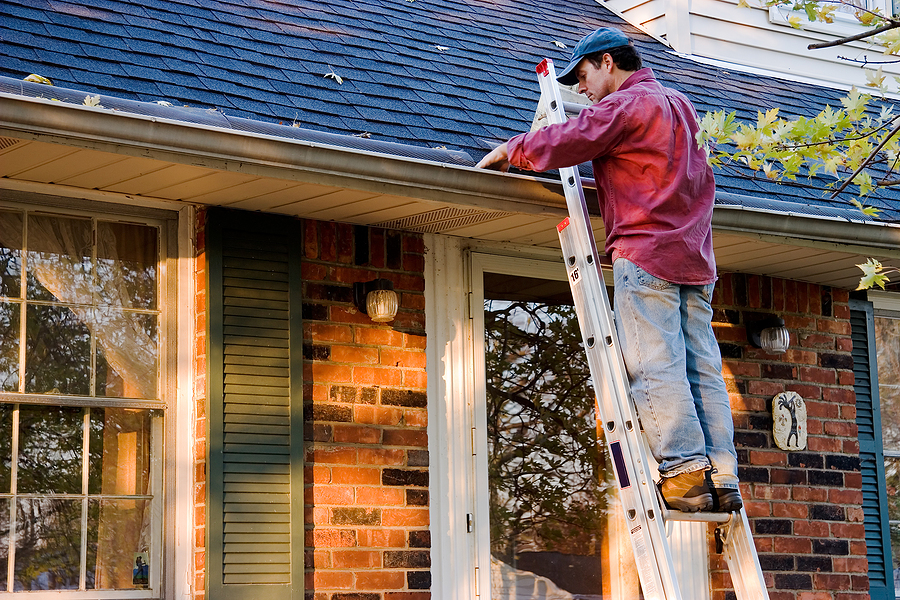
Water in a gutter during a Florida downpour is expected. Water that stays there after the rain has passed deserves a closer look. When is standing water in a gutter a problem you should fix right away? If the gutter is pulling away from the house, spilling water against the wall, or contributing to an indoor leak, arrange help promptly.
A little moisture left on the bottom is different from a pool that never seems to drain. You don’t need to panic over a wet gutter. But you shouldn’t have to wait for the sun to evaporate a trough full of water, either.
The gutter should be draining.
Pay Attention to Where the Water Goes
You may notice the problem from the ground before you ever see what’s inside the gutter. Water pours over one corner during every storm, or the mulch beneath a section keeps washing onto the walkway.
Those patterns tell you something.
A gutter collects roof runoff and directs it toward a downspout. If water is escaping along the way, the system isn’t managing that runoff as intended. The cause might be debris, an obstructed outlet, or a section that no longer slopes toward the drain.
Heavy rain can also expose a capacity problem. A clean gutter that repeatedly overflows needs an assessment of its size, layout, and outlets rather than another cleaning alone.
From a sheltered location, note where the overflow begins. A short video can help explain a problem that disappears by the time someone arrives.
A Sagging Gutter Needs Prompt Attention
A low spot can hold water even when the downspout is clear. The trapped water adds weight, and wet debris adds more.
If a section is visibly sagging or separating from the fascia, arrange an inspection soon. Don’t wait for the next storm to see whether it gets worse. A partially detached gutter can become a falling hazard, so keep people away from the area beneath it.
The attachment needs checking, too.
Simply putting a fastener back into the same location may not solve the problem if the supporting wood has deteriorated. The repair should address both the gutter’s position and the condition of what holds it in place.
And resist leaning a ladder against a loose section to investigate.
Water Behind the Gutter Is a Different Concern
Overflow over the front is easy to spot. Water running behind the gutter can be less obvious, particularly beneath a roof overhang.
Look for staining on the fascia or repeated dampness along the wall below. Peeling paint may also warrant investigation, though it doesn’t prove the gutter is responsible.
The roof-edge details need a look.
Cleaning won’t correct every problem at that connection. If runoff misses the gutter or gets behind it, the gutter placement and flashing may need attention. Leaving the area wet repeatedly can damage moisture-sensitive materials.
If you also find water entering the house, contact an appropriate repair professional promptly. Don’t assume the gutter is the only source, especially when the roof or a nearby window could be involved.
Check the Downspout Before Blaming the Whole Gutter
A gutter may hold water because its exit is blocked. Leaves can collect near the outlet, while debris farther down the pipe may be hidden from view.
During rain, a full gutter paired with little discharge from the downspout is a useful clue. It isn’t a diagnosis, but it gives the person checking the system somewhere to start.
The drain connection matters as well. A clear downspout can still back up if it empties into a blocked underground line.
Once the obstruction is removed, drainage should be checked again. If water remains pooled in the same place, the gutter may also have a low spot. More than one problem can exist at once.
Don’t Ignore Water Collecting Beside the House
Sometimes the gutter empties properly but sends everything into a puddle beside the foundation.
That still needs attention.
Repeated discharge against the house can saturate the surrounding soil and contribute to moisture problems. Watch for erosion, persistent pooling, or water moving toward an entrance. The solution may involve the discharge location or yard drainage as well as the gutter.
An extension shouldn’t simply move the puddle onto a walkway or toward another property. The water needs a suitable route away from the home.
Standing Water Can Attract Mosquitoes
A gutter filled with water and decaying leaves can provide a place for mosquitoes to develop. Because it’s overhead, you may overlook it while emptying buckets and checking flowerpot saucers.
CDC guidance recommends removing standing water around the home regularly. For gutters, restoring drainage is the useful long-term fix.
Even without visible damage, a gutter that keeps holding water belongs on your maintenance list. Arrange cleaning or assessment rather than letting it remain that way through the rainy season.
Get the Cause Checked
When is standing water in a gutter a problem you should fix right away? Act promptly when you see detachment, water entering the home, or runoff repeatedly soaking vulnerable areas. Persistent pooling without those signs still needs correction, but the repair should match the cause.
Turning Point Home Solutions offers soffit, fascia, and gutter services in Port Charlotte and surrounding communities. Contact us to discuss what you’ve noticed and request a free estimate.
