

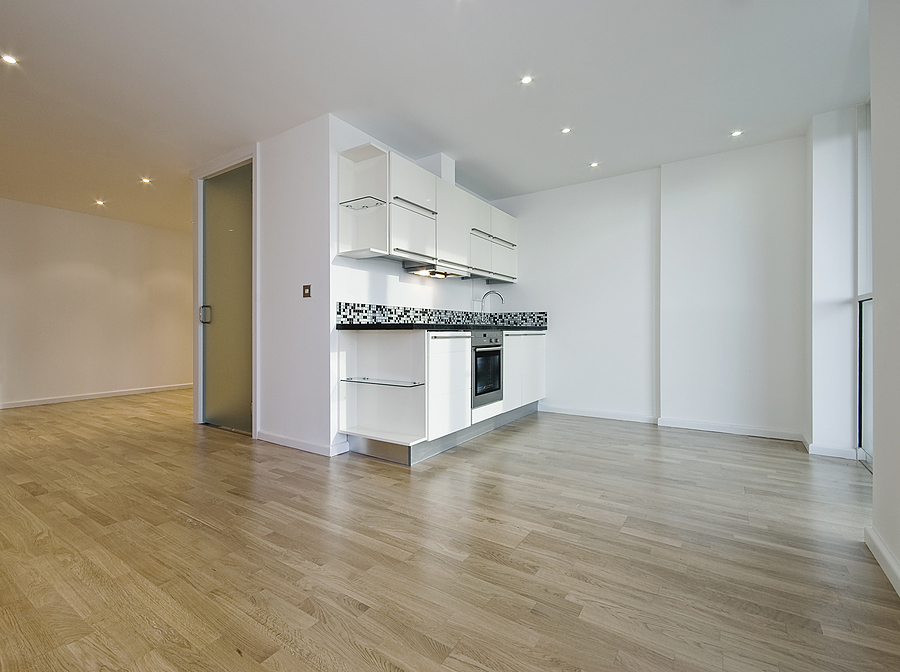
Open floor plans have become one of the most popular design trends in modern homes, especially in Florida. Many homeowners love the idea of large, connected spaces that feel bright, airy, and ideal for entertaining. Removing walls between kitchens, dining rooms, and living areas can completely change the way a home looks and functions.
In Florida specifically, open layouts often fit naturally with the relaxed indoor-outdoor lifestyle many homeowners want. Homes with open spaces tend to feel larger, allow more natural light, and create a more modern appearance overall.
At the same time, open floor plans are not perfect for every home or every family. While they offer several advantages, they also come with tradeoffs that homeowners sometimes overlook during the renovation process. Noise, privacy concerns, structural limitations, and cooling challenges can all become factors once walls start coming down.
Before committing to a major layout change, it’s important to understand both the benefits and the hidden challenges of open floor plans in Florida homes.
At Turning Point Home Solutions, homeowners often explore open-concept renovations as part of larger remodeling projects. Understanding how these layouts function over the long term helps homeowners make smarter renovation decisions.
Why Open Floor Plans Became So Popular
For decades, many homes were built with separate rooms divided by walls and narrow hallways. Kitchens were often closed off from living spaces, and dining rooms were treated as more formal areas.
Today, many homeowners prefer spaces that feel more connected and flexible.
Open floor plans became popular because they create a greater sense of space without necessarily increasing square footage. By reducing visual barriers, homes feel larger, brighter, and more inviting.
In Florida, open layouts also work well because they help maximize natural light. Many homeowners want homes that feel relaxed, airy, and connected to outdoor spaces like patios, pools, or lanais.
An open layout can also improve traffic flow throughout the home, making daily living and entertaining feel easier.
The Biggest Advantages of Open Floor Plans
One of the main reasons homeowners choose open floor plans is that they completely transform how the home feels emotionally. Even smaller homes can appear significantly larger once walls are removed.
Natural light is another major benefit. In traditional floor plans, walls can block sunlight and create darker interior spaces. Open layouts allow light to travel much farther throughout the home.
Families also appreciate the increased connectivity. Parents can cook in the kitchen while still interacting with children or guests in nearby living areas. This creates a more social environment overall.
Some of the biggest benefits include:
- Improved natural light
- Better flow between rooms
- Easier entertaining
- A larger visual appearance
- Greater flexibility with furniture layouts
- Better connection to outdoor living spaces
Open floor plans also tend to align with modern design preferences, which may help improve resale appeal in many Florida markets.
Open Layouts Often Work Well for Florida Lifestyles
Florida homes are often designed around entertaining, relaxation, and indoor-outdoor living. Open layouts naturally support these goals.
Large connected spaces can make it easier to host gatherings, especially when kitchens, dining areas, patios, and living rooms all flow together seamlessly.
In many Florida homes, sliding glass doors connect open living areas directly to pools, outdoor kitchens, or covered patios. This creates a more resort-like atmosphere that many homeowners love.
The openness also complements common Florida architectural styles, including coastal, contemporary, and transitional designs.
Homes that feel bright and connected to the outdoors often create a stronger emotional response for buyers as well.
Structural Challenges Can Complicate Renovations
One of the biggest misconceptions about open floor plans is that walls can simply be removed without consequences.
In reality, some walls are load-bearing, meaning they help support the structure of the home. Removing these walls may require major structural modifications, including beams, columns, or other reinforcements.
Older Florida homes can present additional complications because building methods and structural designs may differ significantly from newer construction.
Electrical wiring, plumbing lines, HVAC ductwork, and other systems are also often hidden inside walls that homeowners want removed.
Once demolition begins, contractors may uncover unexpected issues that increase both project complexity and cost.
This is why professional evaluation is critical before beginning any major layout renovation.
At Turning Point Home Solutions, careful planning helps homeowners understand what is structurally possible before construction begins.
Noise Travels More Easily in Open Spaces
One downside that homeowners sometimes underestimate is noise.
Without walls separating rooms, sound travels much more freely throughout the home. Televisions, kitchen appliances, conversations, and children playing can all become much more noticeable in an open layout.
This may not seem like a major issue at first, but over time, some homeowners realize they miss having quieter, separate spaces.
For families with different schedules or work-from-home arrangements, constant noise can become frustrating.
High ceilings, tile flooring, and large open spaces can also increase echoing if sound absorption is limited.
Area rugs, furniture placement, ceiling treatments, and soft materials can help reduce noise, but they rarely eliminate it entirely.
Privacy Becomes More Limited
Open floor plans reduce physical separation between living spaces, which can also reduce privacy.
In traditional layouts, family members often had separate rooms where they could focus quietly, work, or relax independently. Open layouts create a much more communal environment.
While some families enjoy this increased interaction, others eventually realize they miss having designated quiet areas.
This became especially noticeable for many homeowners as remote work became more common. Open spaces are not always ideal for video meetings, studying, or concentrated work.
Some modern renovations now try to balance openness with smaller, flexible rooms that can still provide occasional privacy when needed.
Cooling Open Spaces Can Be More Challenging in Florida
Florida’s heat and humidity create unique considerations for open floor plans.
Large connected spaces often require more effort to cool efficiently. Without walls to help contain airflow, air conditioning systems may work harder to maintain consistent temperatures throughout the home.
Homes with high ceilings and large windows may also experience additional cooling demands.
Poorly designed open layouts can sometimes lead to uneven temperatures between different parts of the home.
Energy-efficient windows, proper insulation, ceiling fans, and updated HVAC systems can help improve comfort and efficiency. However, homeowners should still consider how layout changes may affect long-term energy usage.
In Florida, climate control plays a major role in overall home comfort.
Furniture Placement Can Become More Difficult
Many homeowners assume open spaces automatically make decorating easier, but large open rooms can actually create furniture challenges.
Without walls helping define spaces, homeowners must carefully arrange furniture to create natural zones for living, dining, and entertaining.
Poor furniture placement can make open layouts feel awkward or unfinished.
Scale also becomes important. Small furniture can look out of place in large open rooms, while oversized furniture may disrupt traffic flow.
Lighting design is also becoming more important because individual rooms no longer have separate overhead fixtures and boundaries.
Creating balance within a large open space often requires more intentional design planning than homeowners initially expect.
Open Floor Plans May Not Fit Every Home
Not every home is a good candidate for a fully open layout.
Some homes have architectural styles that naturally work better with more defined rooms. Others may have structural limitations that make open renovations financially impractical.
In some cases, homeowners may benefit more from partial opening concepts than from removing every wall.
For example, widening doorways, adding pass-through openings, or removing only select walls can improve flow without eliminating room separation.
The best renovation approach depends on the home’s structure, layout, lifestyle needs, and long-term goals.
A thoughtful design plan is usually more important than simply chasing trends.
Resale Appeal Remains Strong in Many Markets
Despite some drawbacks, open floor plans continue to appeal to many buyers.
Modern buyers often prioritize homes that feel spacious, bright, and connected. Open layouts still align strongly with current design preferences in many Florida housing markets.
That said, some buyer preferences are starting to shift slightly. After years of fully open concepts dominating the market, some homeowners are now looking for more flexible spaces that offer occasional separation when needed.
As a result, many newer designs are blending open living areas with dedicated offices, flex rooms, or semi-private spaces.
The goal is to create a balance between openness and functionality.
Planning Matters More Than Trends
One mistake homeowners sometimes make is assuming every popular trend automatically improves their home.
An open floor plan should support how the homeowner actually lives day to day. What works well for one family may not work well for another.
Before removing walls, homeowners should think carefully about:
- Daily routines
- Privacy needs
- Noise tolerance
- Cooling efficiency
- Structural limitations
- Furniture layout
- Long-term resale goals
The best renovations improve both appearance and practicality.
A successful open floor plan should feel intentional rather than simply empty or oversized.
Final Thoughts on Open Floor Plans in Florida
Open floor plans can dramatically improve how a Florida home looks and functions. They create brighter spaces, better flow, stronger indoor-outdoor connections, and a more modern overall appearance.
At the same time, homeowners should understand the potential tradeoffs before beginning a major renovation. Structural concerns, cooling challenges, noise, privacy limitations, and layout planning all deserve careful consideration.
At Turning Point Home Solutions, homeowners can explore renovation options that balance style, functionality, and long-term comfort. Whether you want a fully open-concept layout or a more flexible, modern layout, thoughtful planning helps ensure the finished space works well for your lifestyle now and in the future. Contact us to learn more.

