

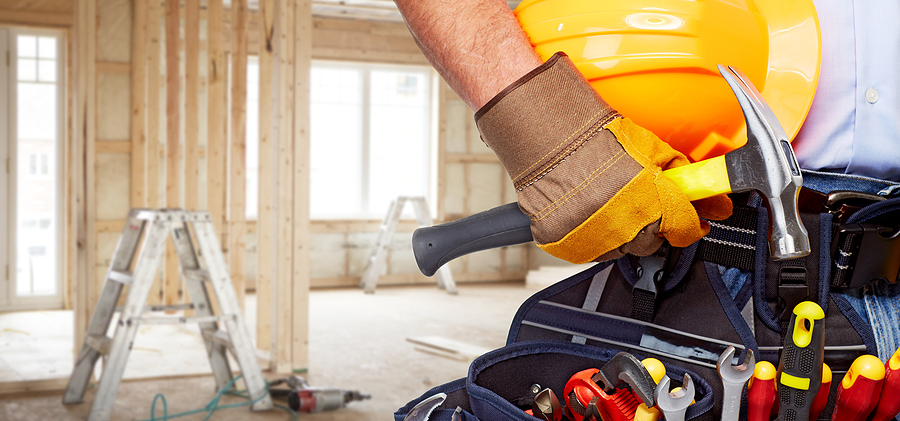
Planning a home renovation is exciting. It’s your chance to transform a space that no longer works for your lifestyle into something more functional, comfortable, and visually appealing. At the same time, renovations can quickly become stressful without a clear plan in place. Missed deadlines, budget overruns, and constant changes are among the biggest reasons homeowners become frustrated during the process.
The good news is that a successful renovation usually comes down to preparation. When you take the time to plan carefully before construction begins, the entire experience tends to run much more smoothly. From setting realistic expectations to choosing the right contractor, every decision matters.
At Turning Point Home Solutions, the team helps homeowners improve and update their living spaces every day. A well-planned renovation not only improves the appearance of a home but can also increase functionality, comfort, and long-term value.
Start With Clear Goals
Before talking to contractors or browsing design ideas online, take some time to define exactly what you want to accomplish. Every renovation should solve a problem or improve the way your home works for you.
Some homeowners renovate because their home feels outdated. Others need more storage, a better layout, or upgraded materials that can handle daily wear and tear. In some cases, the goal is to prepare the home for resale. In other situations, the renovation is about creating a space where the family plans to stay for many years.
The clearer your goals are from the beginning, the easier it becomes to make decisions throughout the project.
If your kitchen renovation is mainly about improving functionality, then layout and storage should take priority over luxury finishes. On the other hand, if your goal is to create a more upscale appearance, then cabinetry, countertops, and lighting may become the focal points.
Without clear goals, homeowners often make changes midway through the renovation. Those changes can significantly increase costs and extend timelines.
Establish a Realistic Budget
One of the most important parts of planning a renovation is understanding what you can realistically afford. Many homeowners underestimate how quickly renovation costs can add up once materials, labor, permits, and unexpected repairs come into play.
Instead of focusing only on the ideal finished product, focus on building a practical budget that accounts for the entire project.
Your renovation budget should include:
- Labor costs
- Materials and finishes
- Permits and inspections
- Temporary living arrangements, if necessary
- Furniture or appliance upgrades
- A contingency fund for surprises
A contingency fund is especially important. Once walls are opened or flooring is removed, hidden issues sometimes appear. Water damage, outdated wiring, plumbing problems, or structural concerns can all increase costs unexpectedly.
Setting aside additional funds in advance helps reduce stress if those situations arise.
It’s also important to separate “must-haves” from “nice-to-haves.” That distinction can help you make adjustments if pricing starts exceeding your initial expectations.
Prioritize Renovations That Add Functionality
It’s easy to get caught up in design trends and social media inspiration photos. While appearance certainly matters, functionality should always remain a top priority.
A beautiful renovation that doesn’t improve the way your home works may not feel satisfying long-term.
Think about how your family uses the space every day. Are there bottlenecks in the kitchen? Is storage limited? Does the bathroom layout feel cramped? Are there rooms that no longer serve a useful purpose?
Functional improvements often provide the biggest long-term benefits.
Open layouts, improved lighting, better storage solutions, updated flooring, and energy-efficient upgrades can dramatically improve how a home feels and functions. According to general home improvement guidance, renovations frequently focus on improving comfort, safety, efficiency, and usability within the home.
The best renovations balance appearance with practicality.
Build a Renovation Timeline
Every renovation project takes time. Some projects may only last a few days, while larger remodels can stretch across several months.
One mistake homeowners often make is expecting the project to move faster than reality allows. Delays can happen due to material availability, weather, permit approvals, inspections, or unforeseen repairs.
Creating a realistic timeline helps set expectations early.
When building your renovation timeline, consider:
- Design and planning phase
- Material ordering and delivery
- Permit approvals
- Demolition
- Construction phases
- Final inspections
- Cleanup and finishing details
If you’re renovating major living areas like kitchens or bathrooms, you should also think about how daily routines will be affected during construction.
For example, a kitchen remodel may require temporary meal preparation areas. Bathroom renovations may require alternate arrangements if multiple bathrooms are unavailable during the project.
Planning ahead makes these temporary inconveniences easier to manage.
Choose the Right Contractor
The contractor you hire can have a major impact on the success of your renovation. Even the best renovation plans can fall apart if communication is poor or workmanship is inconsistent.
A reliable contractor should be transparent, organized, experienced, and willing to discuss the process in detail before work begins.
When evaluating contractors, ask questions about:
- Previous renovation experience
- Licensing and insurance
- Communication expectations
- Estimated timelines
- Material sourcing
- Payment schedules
- Project management process
You should also review previous work whenever possible.
At Turning Point Home Solutions, the focus is on helping homeowners navigate renovation projects with coordinated planning, quality workmanship, and consistent communication throughout the process.
A renovation is a major investment, and homeowners should feel comfortable with the team handling the work.
Understand Permits and Building Codes
Depending on the size and scope of the renovation, permits may be required before construction begins. Electrical work, plumbing changes, structural modifications, and major remodels often need approval from local building departments.
Skipping permits can create serious problems later, especially if you plan to sell the home.
Proper permits help ensure the renovation meets local safety and construction standards. They also provide documentation showing that the work was completed legally and properly inspected.
A professional contractor can usually help guide homeowners through the permitting process and explain which approvals are required for the project.
While permits may feel like an inconvenience initially, they help protect homeowners in the long run.
Prepare for Unexpected Challenges
Even well-planned renovations sometimes encounter surprises.
Older homes, in particular, may hide issues behind walls, under flooring, or within plumbing and electrical systems. Once demolition begins, contractors may uncover damage or outdated components that need repair before continuing.
This is one reason flexibility matters during any renovation.
Unexpected issues do not automatically mean the project is failing. In many cases, resolving hidden problems improves the long-term safety and durability of the home.
The key is working with a contractor who communicates clearly and explains solutions as problems arise.
Mentally preparing for small setbacks in advance can help homeowners remain calm and focused throughout the renovation process.
Focus on Long-Term Value
Trends come and go quickly. While it’s perfectly fine to include some modern design elements, the best renovations usually balance current style with long-term appeal.
Neutral finishes, durable materials, timeless layouts, and energy-efficient upgrades often provide the best return on investment over time.
That doesn’t mean your home should feel generic. Personal style absolutely matters. However, making choices based entirely on short-term trends can sometimes lead to regret a few years later.
Focus on improvements that will continue serving your family well over time.
Quality craftsmanship also matters just as much as design. Even beautiful materials can disappoint if the installation is poor.
Communication Is Key Throughout the Process
One of the biggest factors in a successful renovation is communication.
Homeowners should feel informed throughout every stage of the project. Questions should be answered clearly, updates should be provided consistently, and expectations should remain realistic.
Good communication helps avoid misunderstandings and allows issues to be resolved quickly before they become larger problems.
This is especially important during longer renovation projects involving multiple trades, scheduling coordination, and material deliveries.
When everyone remains on the same page, the renovation process becomes much easier to manage.
Final Thoughts on Planning a Home Renovation
A successful renovation starts long before construction begins. Careful planning, realistic budgeting, clear goals, and the right contractor all play major roles in creating a smoother experience.
Home renovations can completely transform the way a house looks, feels, and functions when handled properly. Taking the time to prepare thoroughly helps reduce stress and improves the likelihood of achieving the results you envision.
At Turning Point Home Solutions, homeowners can get help planning and completing renovation projects designed with functionality, quality craftsmanship, and long-term value in mind. Whether you’re updating a single room or tackling a larger remodel, having an experienced team involved from the beginning can make the process far more manageable. Contact us to learn more.

