

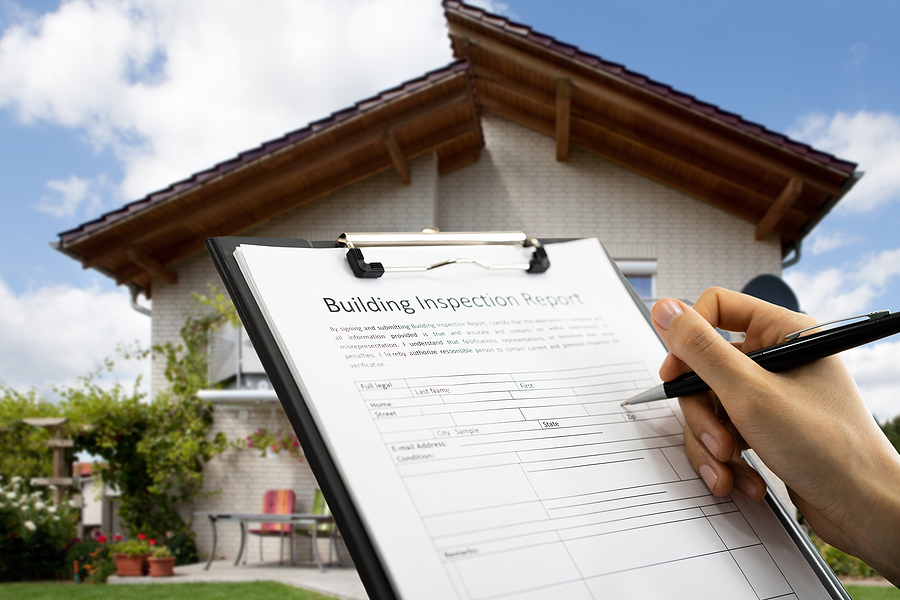
Exterior projects can get expensive quickly, and the lowest estimate on the kitchen counter is not always the best deal. Before agreeing to thousands of dollars in work, homeowners should know exactly what they are buying, who will be doing the work, and what happens if the project changes halfway through. What should you ask before signing a contract for siding, roofing, or drainage work?
Start with the basics: licensing and insurance, the exact scope of work, materials, permits, payment terms, warranties, change orders, cleanup, and how unexpected conditions will be handled.
In Florida, where storms, heavy rain, permitting rules, and hurricane-related construction requirements can complicate exterior projects, those questions are especially important.
Is the Contractor Properly Licensed and Insured?
This should come before discussions about colors, materials, or scheduling.
Ask what license applies to the work and verify it rather than simply accepting a license number printed on an estimate. Florida’s Department of Business and Professional Regulation provides an online license-verification system that allows homeowners to check a contractor’s license status. The Florida Attorney General also recommends confirming applicable state or county licensing and verifying insurance coverage.
Ask for proof of insurance too.
You want to know that the coverage is current, not that the contractor had a policy three years ago when the certificate was printed.
Different exterior projects may fall under different licensing requirements, so don’t assume that being qualified for one type of construction automatically covers every type of work.
Exactly What Is Included in the Price?
“Replace roof” is not a detailed scope. Neither is “install siding” or “correct drainage.” The contract should tell you what is being removed, what is being installed, which materials are included, and what work is excluded.
For roofing, that might mean spelling out tear-off, underlayment, flashing, vents, disposal, decking allowances, and the roofing product being installed.
A siding contract should identify the siding product, trim, moisture-management components, removal of old materials, and treatment around windows and doors.
Drainage work needs the same level of detail. Where will water be collected? Where will it discharge? Is grading included? Are gutters, downspouts, drains, piping, or concrete modifications part of the project?
Turning Point Home Solutions stresses the importance of drainage and grading in exterior concrete work because standing water, poor slope, and runoff directed toward structures can cause future damage.
If two estimates are thousands of dollars apart, compare the scopes before comparing the totals.
You may not be pricing the same job.
Which Materials Are You Actually Getting?
Ask for more than “architectural shingles” or “vinyl siding.”
The contract should identify products specifically enough that you know what will arrive at your house.
Depending on the project, that may include:
- Manufacturer
- Product line
- Style or profile
- Color
- Thickness or grade
- Underlayment or water-management materials
- Fasteners and accessories
- Warranty level
For drainage work, specifications may involve pipe type and diameter, catch basins, downspout connections, or other components.
This protects both sides.
The homeowner knows what was priced, and the contractor knows what is expected.
It also prevents a conversation later that starts with, “I thought we were getting the other one.”
Who Is Responsible for the Permit?
Do not assume. Some Florida exterior projects require permits and inspections, and roofing work is one common example. Turning Point Home Solutions notes that permits are an important part of Florida construction because they trigger inspections and help verify compliance with applicable building requirements.
Your contract should make clear who pulls the permit, whether permit fees are included, and who handles required inspections.
Ask about HOA approval too.
Florida communities commonly have architectural rules governing roofing colors, exterior changes, drainage modifications, and other visible work. A building permit does not automatically mean your homeowners association has approved the project.
It is much easier to sort that out before you order materials.
What Happens if Hidden Damage Is Found?
This question can save a lot of frustration. Exterior work often uncovers things nobody could see during the estimate. The crew removes roofing and discovers deteriorated decking.
Old siding comes off and reveals water-damaged sheathing.
A drainage project begins and buried utilities or poor soil conditions change the original plan.
Those situations are not necessarily evidence of poor estimating. Some conditions genuinely cannot be confirmed until work begins.
What matters is how you handle them.
Ask whether the contract contains unit prices or allowances for common additional repairs. More importantly, ask whether you will receive a written change order before they perform extra work.
Turning Point’s renovation guidance recommends maintaining a contingency fund because hidden water damage, structural problems, and other unexpected conditions sometimes appear once construction starts.
“We’ll figure it out when we get there” is not much of a financial plan.
What Is the Payment Schedule?
Do not focus only on the final number. Find out when payments are due and what each payment represents.
A reasonable payment schedule may include an initial deposit followed by payments tied to materials, project milestones, or completion. The structure varies by job.
Florida’s Attorney General cautions consumers against paying an entire repair bill upfront and recommends being careful with unusually large deposits. Its contractor guidance also explains that Florida law imposes certain permit and start-work requirements when a contractor collects more than 10% of the contract price upfront.
Never feel embarrassed asking why a certain deposit is required.
It is your money. You should know what it is paying for.
Who Will Actually Be Working at Your House?
The person who gives you the estimate may not be the person installing anything. Ask whether the contractor uses employees, subcontractors, or a combination of both.
If subcontractors are involved, ask who supervises their work and who you contact if there is a problem.
This becomes especially important when several trades overlap.
Turning Point Home Solutions describes one advantage of its broader home-improvement model as coordinating related exterior projects and giving the homeowner a single point of contact. The company also emphasizes consistent communication throughout its projects.
A project becomes much less stressful when you know who answers questions.
How Will Changes Be Approved?
Someone decides halfway through the job that another downspout would help. You change the siding color. Damaged wood needs replacement.
The contractor recommends modifying part of the original drainage plan.
Changes happen.
What should not happen is receiving a final invoice filled with charges you never knew were coming.
Ask whether changes require a written change order showing the additional cost and any effect on the schedule.
Then insist on using that process.
A five-minute conversation in the driveway can be surprisingly difficult to remember accurately three weeks later.
What Does the Warranty Really Cover?
“We warranty our work” sounds reassuring. Ask what that means. There may be a manufacturer’s material warranty and a separate contractor workmanship warranty. They are not interchangeable.
You’ll want to ask questions like how long the warranty lasts, what’s covered/excluded, who handles warranty claims, whether you’ll need to register, and whether the warranty transfers.
Also ask what could void coverage.
For a drainage system, the relevant question may be less about a traditional product warranty and more about what happens if the installation does not perform as described.
Get the answer before signing.
Who Handles Cleanup and Disposal?
This sounds minor until the crew leaves. You’ll want to know whether the old materials will be hauled away, whether disposal is included in the price, who removes the materials, and what happens to any excavated soil.
Ask how the property will be left at the end of each day and when final cleanup occurs.
The finished work should not come with a second project called “clean up everything the contractor left behind.”
Should You Ask About Liens?
Yes. Florida homeowners can potentially face construction liens from subcontractors or suppliers who were not paid, even when the homeowner paid the primary contractor.
The Florida Attorney General advises homeowners to understand lien rights and obtain appropriate releases before making final payment.
For a significant project, ask the contractor how lien releases are handled.
This is not an accusation.
It is basic protection when substantial labor and materials are involved.
What Should You Ask Before Signing a Contract for Siding, Roofing, or Drainage Work?
Ultimately, what should you ask before signing a contract for siding, roofing, or drainage work? Ask enough questions that you have little left to assume. Verify licensing and insurance. Read the scope line by line. Identify materials, permit responsibilities, the payment schedule, warranties, cleanup, subcontractors, the change-order process, and a plan for hidden damage. If something important was promised during the estimate but doesn’t appear in the written agreement, add it before signing.
Turning Point Home Solutions serves homeowners throughout Port Charlotte, Punta Gorda, North Port, Sarasota, Venice, Englewood, and surrounding Southwest Florida communities with a range of interior and exterior home-improvement services, including fascia and gutters, concrete and masonry, windows and doors, flood barriers, hurricane protection, and coordinated property improvements. The company emphasizes free estimates, project planning, and consistent communication from start to finish.
Before starting your next exterior improvement, contact Turning Point Home Solutions for a free estimate. Taking the time to clarify the work before signing a contract can make the project considerably easier once construction begins.

