

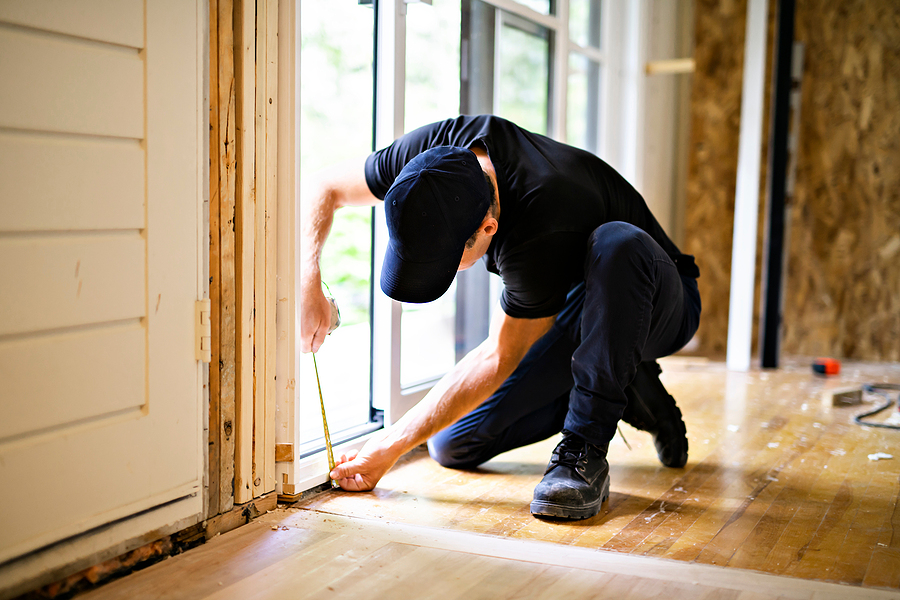
How do you adjust patio door strike plates for better security and alignment? Before loosening the strike plate, verify that the door panel is level, closes evenly, and operates smoothly, then shift it to align with the latch. Correct alignment should allow the lock to engage with firm pressure, without pushing or lifting the handle.
Door strike plates are also called keepers or latch receivers. This metal plate, fastened to the frame, accepts the lock hook or latch. A strike plate that is too high, low, deep, or shallow can cause the patio door to refuse to latch, rattle against the frame when closed, or feel secure while failing to properly engage the latch.
Signs of a Misaligned Patio Door Strike Plate
If a strike plate is misaligned, you may notice that the door closes but will not lock, the handle is very difficult to turn, or the latch hits the metal plate while closing. You may also notice movement between the panel and frame even after locking.
Other possible indicators include visible wear around the strike opening, a lock that only works when you lift up on the door, and uneven gaps on a sliding panel. These problems can occur gradually as patio door rollers wear, hinges loosen, wall fasteners shift, or the frame settles over many years.
Door adjustment should normally be attempted before altering the strike plate.
Should You Adjust the Strike Plate or the Door First?
Ideally, correct the door’s alignment before attempting to move the strike plate. Moving the plate to compensate for a sagging door or one that settles to one side may let it latch again, but it doesn’t fix the root issue.
Slide the door closed until about one inch remains between the panel and jamb. Check the vertical spacing between the panel and jamb. It should be relatively even from top to bottom. If there is more space at the bottom, you may need to adjust the bottom rollers.
Pella and Andersen both recommend aligning the door by adjusting rollers before touching the latch receiver or strike plate. Directions for adjusting rollers will vary by door manufacturer and model. Refer to the owner’s manual as needed.
Examine hinges on a hinged patio door. You may need to loosen hinges and screws, or adjust the door, before or instead of changing the strike plate position.
Preparing to Adjust Patio Door Strike Plates
Start any patio door adjustment project by cleaning the track, inspecting the rollers, and identifying the manufacturer if possible. Many manufacturers have specific instructions for making minor adjustments. Following these instructions lowers the chance of damaging the lock or moving the wrong component.
Gather a screwdriver that fits your door fasteners, along with a pencil, painter’s tape, and the manufacturer’s instructions. Start with a manual screwdriver instead of a power driver. It’s easy to overtighten screws or strip the door frame if you begin with a powered tool.
- Unlock the door and open/close it several times.
- Remove dirt/debris from the track.
- Check whether the door sits level in the frame.
- Inspect the latch and strike plate, handle, and any visible screws for damage or wear.
- Use pencil and painter tape to mark the strike plate’s current position.
- See if lifting or pressing up on the panel helps it lock or unlock.
If your patio door feels exceptionally heavy, is difficult to operate, or appears out of square, you may want professional adjustment. Turning Point Home Solutions installs impact-rated entry doors and patio doors. We emphasize proper fit, smooth operation, and correct sealing because many impact doors are heavier than standard patio doors.
Move the Strike Plate on a Sliding Patio Door
Loosen existing screws slightly on the strike plate. Move the strike up or down until it lines up with the latch or lock hooks. Retighten screws to secure the plate in place. Move the strike only a small amount at a time. Test your door after each adjustment.
Leave one screw intact if possible. Some strikes are made with slotted screw holes that allow vertical movement after the screws have been loosened.
Pella has the same basic instructions on many of their sliding-door models. Loosen strike screws, shift strike up or down, tighten, and try the door. Horizontal adjustment or “depth” adjustment is also possible with some sliding patio door locks, but the exact method depends on the hardware design.
After adjustment, the door should not need to be lifted, pushed away from the frame, or forced to close. The panel should not have excessive play when locked.
Adjusting the Strike Plate on a Hinged Patio Door
As with sliding doors, confirm that the patio door is centered in the frame first. Make sure the hinges are secure and properly aligned. Hinge adjustment or repair may fix the problem if the door has settled or begun to sag.
Once you have verified the door is plumb, square, and level, mark where the latch hook meets the strike plate. Loosen the strike plate screws and try shifting it in the needed direction. Vertical adjustment is only possible if the screw holes or existing slots allow for movement.
Some patio doors use multipoint locks that span the entire width of the frame. These doors require all of the strike plates or locking points to be aligned. Adjusting one point without checking the others can cause operations to fail completely. While Pella lists multipoint locks as a common component on patio doors, Andersen provides instructions for adjusting its own brand of multipoint hinges.
Impact Patio Door Security
Better strike alignment creates a stronger patio door security barrier by allowing the latch or locking hooks to extend further into the strike plate. Doors that do not latch fully may close correctly while offering less resistance than the manufacturer designed.
Strike alignment is only one portion of patio door security. The frame, rollers, lock mechanism, glass thickness, installation fasteners, and wall opening should also meet security standards.
Installing a security bar, or “charley bar,” correctly in a sliding door track can add an extra layer of security. Some doors include multipoint locks or secondary vent locks you may want to use.
Do not alter an impact-rated door. Do not drill new holes, add locks, or customize the frame without consulting the manufacturer. Impact doors are engineered as a system, and Turning Point offers impact window and door services that examine your openings and install patio doors correctly.
Strike Plate Screws
Longer screws may improve a strike plate’s hold in your home, but only if they are compatible with the installation. Arbitrary screws can damage your frame, prevent doors from closing properly, or weaken a specialized door assembly.
Pella calls out three-inch screws for some of their sliding door lock strikes. This does not mean that all patio doors should use 3” screws. Follow the manufacturer’s instructions for the correct screw type, diameter, length, material, and placement.
Changing the screws used to secure your patio door strike is extremely important for coastal and impact windows.
When to Call a Professional
Contact a professional if the strike doesn’t stay tight against the door frame, your frame is cracked, the rollers no longer function, or the door panel is visibly sagging or leaning. Also call for help if your lock binds in more than one spot, the door could fall out of the track, or water regularly enters your home around the threshold.
Turning Point Home Solutions offers door repairs as one of its handyman services in Port Charlotte. We also provide hardware installation, finish carpentry, general maintenance, and flood barrier installations for doors. Flood barriers can prevent water from entering through sliding glass doors, patio doors, and large entryways.
Start with the door itself. Only make minor strike adjustments, and test the entire lock each time. Contact Turning Point Home Solutions for professional patio door adjustments, repairs, or replacement.

