

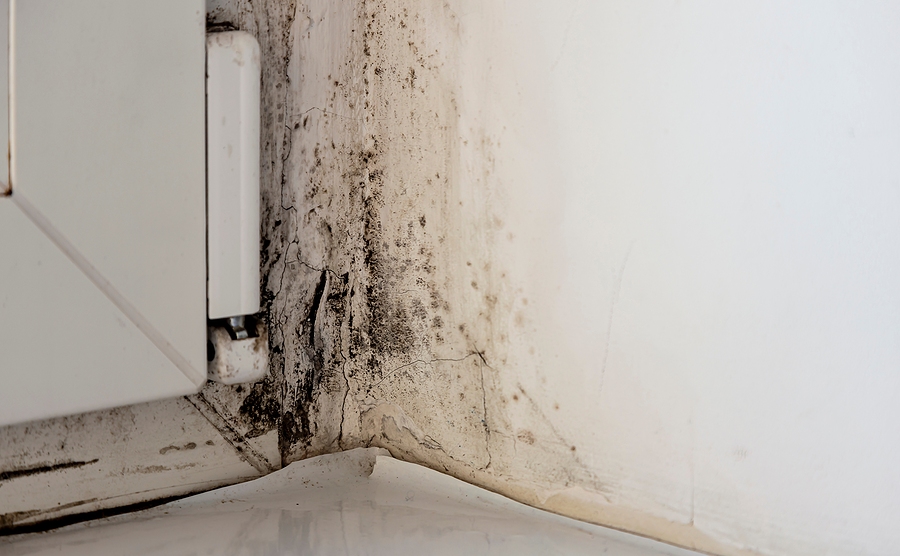
Florida homeowners have to deal with a problem many people in other regions of the country never even consider: keeping indoor humidity levels down. Sunshine and warmth are nice, but Florida’s humid climate can cause home comfort problems any time of year if moisture isn’t controlled. Excess humidity indoors can make your home feel clammy and cause higher energy bills, mold, and damage to your home’s building materials and furnishings.
There are several ways you can control humidity in your home to help protect your family and investment.
Why Is Indoor Humidity Such a Problem in Florida?
Outdoor air in Florida contains a lot of moisture during most of the year. When humid air comes indoors, it brings that moisture with it and can cause indoor humidity levels to skyrocket.
Florida has humidity levels higher than most people would find comfortable in their homes. When humidity is high inside the home, air conditioners must work harder to make you feel comfortable. In addition to causing discomfort, high humidity can cause mold, warped wood, paint to peel, and musty odors.
What Is the Ideal Indoor Humidity Level?
30-50% is considered the ideal indoor humidity level.
Higher humidity levels than 60% allow mold and mildew to grow more readily. Dust mites and other indoor pollutants can also accumulate when humidity levels are too high. You can measure humidity levels with an inexpensive hygrometer.
Does Air Conditioning Help Reduce Humidity?
Air conditioners remove humidity by cooling air through condensation.
However, if your air conditioner is oversized, it may not run long enough to adequately dehumidify your home. A homeowner may find that the indoor air feels cold but still sticky if the air conditioner doesn’t run long enough to remove humidity.
How Can You Improve Air Conditioner Performance?
Routine maintenance and proper care of your air conditioning system can improve performance and help it remove moisture more effectively. These maintenance tasks can help:
- Change air filters regularly
- Clean evaporator coils
- Clean condensate drains
- Schedule professional HVAC tune-ups
- Check refrigerant levels
- Ensure enough airflow
A more efficient system will keep your home comfortable and help control indoor humidity.
Can a Dehumidifier Help Lower Indoor Humidity?
Yes, running a dehumidifier can be one of the best ways to keep humidity levels down in your home. Dehumidifiers remove water vapor from the air and store it in a container that you drain regularly.
Many homeowners in Florida opt to have whole-home dehumidifiers installed to work with their HVAC systems and control humidity throughout the house. Whole-home dehumidifiers can help control moisture levels and keep water from building up.
You can also install portable dehumidifiers in problem areas like bedrooms, bathrooms, garages, and enclosed patios (lanai).
Can A Ceiling Fan Help Reduce Indoor Humidity?
Humidity is always a concern in Florida homes, and while ceiling fans don’t magically reduce moisture in the air, they can help alleviate humidity issues by circulating air better. Fans don’t actually dry out the air; instead, they aid evaporation from your skin and make you feel cooler.
Improved airflow also prevents pockets of moist air from getting trapped in areas prone to condensation and mold buildup. This can be especially helpful in bathrooms, bedrooms, and living areas that may lack sufficient airflow from your HVAC system.
A combination of proper air conditioning, ventilation, air sealing, and dehumidification works best to control humidity in Florida homes. Ceiling fans are just one piece of the solution for keeping your home more comfortable and moisture-free.
How Do Air Leaks Increase Indoor Humidity?
Warm, humid air outdoors can flow right inside through holes and cracks in your home.
You may not realize it, but air leaks and poor insulation create many opportunities for humidity to enter your home. Some common areas where your home may be leaking air include:
- Older windows
- Worn door seals
- Attic penetrations
- Around utility lines that enter the home
- Damaged weather stripping
- Leaky ductwork
By air-sealing your home and fixing air leaks, you can prevent moisture from entering your home and improve energy efficiency.
Can New Windows Help Control Humidity?
Installing new windows can help reduce indoor humidity by sealing your home more tightly.
Many homeowners have older windows that allow humid air outdoors to enter the home through damaged seals or poor insulation. By installing energy-efficient windows, you can stay more comfortable inside and reduce the burden on your air conditioner.
New windows are just one way to boost your Florida home’s energy efficiency and control moisture.
Why Is Proper Ventilation Important?
Ventilation removes moisture that is produced inside your home every day.
When you cook, shower, wash clothes and dishes, or have houseplants and people living in your home, you are creating moisture inside your home. By ventilating areas like the bathroom and kitchen while you cook or shower and using exhaust fans, you can help prevent moisture from spreading through the rest of your home.
Would you like to learn more about controlling humidity in your Florida home? Contact the team at Turning Point Home Solutions today. From window replacement and whole-home improvements to products that promote a healthier home environment, we offer services to help Florida homeowners care for their homes.

